Corporate greed: the plight of Indian Alphonso mangoes and the message of the Occupy movement.

Occupy Vancouver protest on the steps of the Vancouver Art Gallery. Photo courtesy of Andrea Sirois Photography

What do the spate of Occupy movements around the world have to do with a group of protesting Indian fruit growers back in the mid 1990’s? Well, at first glance, perhaps nothing. But for me, it is probably closer to everything. With the benefit of hindsight, it doesn’t take long to unearth the common underlying thread in these stories, one that has prompted action in the struggle against imbalance, social injustice, and quid pro quo economics, which first rose up on Wall Street and has since gone global.

In March 1996, I travelled by bicycle along India’s west coast from Mumbai to the subcontinent’s southern tip. After a routine descent from Maharashtra state’s Deccan Plateau towards the estuary of the Vishishthi River, I boarded a small ferry in the town of Dabhol. Dabhol, or at least the headland on the other side of the river, was to become the home of India’s largest power project, a fact often trumpeted by local, and regional politicians alike. Now, anyone who lives in India, or has travelled there will be aware of the electricity supply problems that plague the countryside, leaving rural areas with lengthy daily disruptions in order to benefit the major cities, a practice commonly referred to as load shedding. So, one would think a power plant to be a good thing for all.
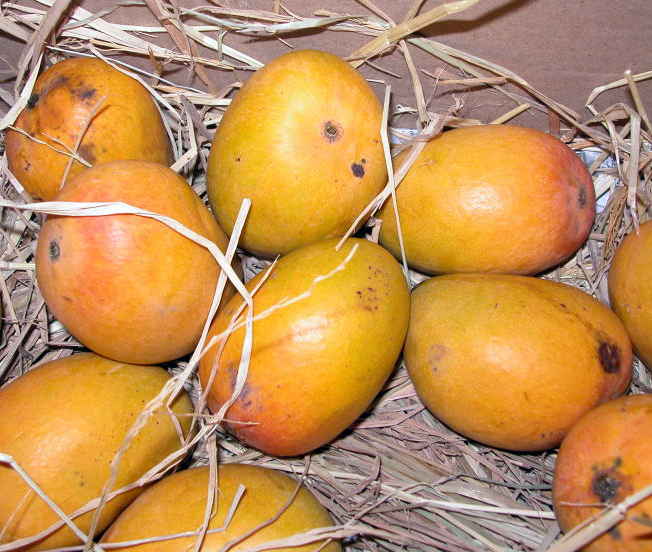
Maharashtra’s Alphonso mango, India’s anointed king of fruit. Photo courtesy of Wikimedia Commons.

But, on that particular day, mango farmers and fishermen gathered along the roadway. They were part of the local population who saw, and were already experiencing the negative side effects of what was being heralded as an overwhelmingly positive initiative. They opposed the project, and its American backer, a company that I had heard of, but knew very little about. The company was Enron.

Unlike the Occupy movement, the complaints of Dabhol locals were simple and direct: pollution from the plant was ruining the local mango crop, and killing local fish stocks. As much as the Dabhol plant symbolized to some a change from the old socialist and corrupt India to the new capitalist and transparent one that benefitted the poor with jobs and financial compensation for expropriated land, it devolved into a case of environmental negligence, rampant cronyism, and allegations of both political and corporate corruption. It left the local economy in tatters, and over fifteen years later, the project still has not lived up to expectations. The power plant is not fully operational, Maharashtra State’s electrical power problems are arguably still the worst in the country, and the plight of local residents has worsened.
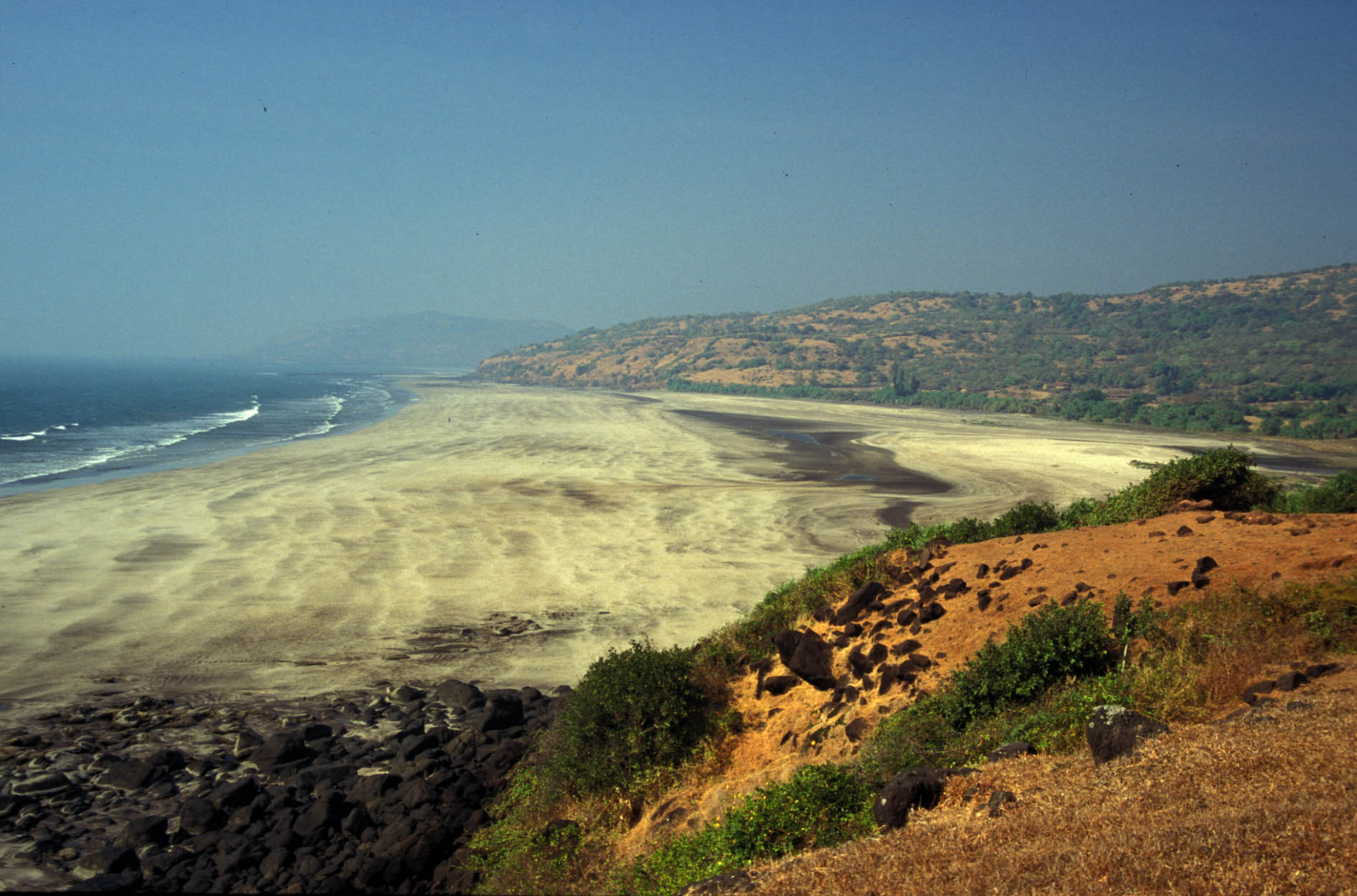
Enron country. The Maharashtra coast, India. Photo by Mark Mauchline.

The story of Enron is now one for the history books. Among other allegations at Dabhol, and in the true spirit of baksheesh, opponents accused the company of bribing officials, and charging exorbitant electricity rates. These were business practices that should, and could have been a warning perhaps, if they were taking place in some place other than rural India.

In December 2001, Enron, the institution worth over $100 billion and voted by Forbes magazine as America’s most innovative company six years in a row, filed for bankruptcy. It seems that the company’s innovative tendencies also included entrenched, systematic accounting fraud. Its legacy became not that of one of the world’s largest energy, commodity and services companies, but one of corporate corruption and fraud. The business tactics and methodology used in the handling of the Dabhol power plant seemed to be consistent in the way Enron did business. For me, it was as simple as that.

More recently, barely two weeks ago, and in the latest example of corporate greed with criminal underpinnings, hedge fund tycoon and self-made billionaire Raj Rajaratnam was sentenced to 11 years in prison on insider trading charges – the largest prison term so far handed down for such a case. In addressing the court, US district judge Richard Holwell stated, “his crimes and the scope of his crimes reflect a virus in our business culture that needs to be eradicated.”

Occupy Vancouver, October 22, 2011. Photo courtesy of Andrea Sirois Photography.

The question has been posed: was this an isolated incident, or part of a wider culture of greed? With Enron sealing the fate of former “Big Five” accounting firm Arthur Anderson, and Rajaratnam’s conviction paving the way for ex-Goldman Sachs director Rajat Gupta’s guilty verdict on associated civil fraud charges, my guess would be that many of the world’s Occupy protesters, as well as rational and honest individuals of both the 99% and the 1%, see it as closer to the latter. While many Occupy groups meet daily to reaffirm their cause and stay on message, media and some opposing their protests criticize them for not having one that is clear enough.

For me, nothing could be further from the truth. Whether they articulate it to the media’s standards or not, they are protesting greed, and I would hope we take note. Often, real issues and themes can be found through the nuances of actions and events. The Occupy movement’s method of tugging at the shirt tails of democracy may not be to everyone’s liking, but what embryonic movement, whether democratic, economic, or environmental, ever was?

Inequality is both a perception, and for many of the less fortunate around the globe, a reality. The irony being that, as a perception, it is no less real for the individuals involved. We should heed the warnings of corporate greed and growing inequality. Now is the time to turn the lessons learned from hindsight into some decidedly honest and inspiring foresight. Perhaps then, and only then, will we disprove the adage that man learns nothing from history. I prefer to believe that we, as a society, will “get it,” but only if we choose to recognize the message.

Who could have guessed that the concerns of some fruit-growing rural villagers on the west coast of India could have pointed to the corporate corruption at Enron? If the Indian government had listened, if the world had known, and if anyone had perhaps cared, the whole Enron debacle might have been recognized for what it was, and much sooner.

Will we remember these pie charts fifteen years from now? Occupy Vancouver protest. Photo courtesy of Andrea Sirois Photography.

Posted in News | Tagged , , , , , , , | 2 Comments

Soul sport: much more than the Tour de France.

The spirit of the peloton. Christian Meier, Team Garmin-Transitions, in Vancouver’s 2010 Yaletown Grand Prix. Photo: Andrea Sirois Photography.

Bastille Day has come and gone. It’s mid July and cycling aficionados the world over are having to adjust their much-varied, geographical time clocks. For people who follow this sort of thing, it is the height of the professional season, and daily schedules are reworked in an attempt to watch the Tour de France: 21 days of racing spread out over three weeks, and some 3200 kilometers of French countryside. It is the time made famous by the bastions of the sport: Anquetil, Merckx, Hinault, Indurain, Armstrong, and now, Contador.

But, for me, the colour, pageantry, and rabid crowds that turn cycling’s marquee event; the travelling circus that affords the most nondescript of wayside French towns their own Warholian fantasy, is not necessarily the true essence of the sport.

I know of no other human-powered pursuit that affords one the combination of speed to cover a significant distance, while offering the opportunity to truly absorb the surroundings. Bicycling can be as competitive as a Grand Tour, as social as a granfondo, and as solitary and deeply personal as you wish.

I never feel alone when I ride. Whether doing circuits close to home, or expedition length trips half a world away in South or Central Asia, I am in constant communication – with my bicycle, the terroir, and myself.

I feel the wind, both around me and self-generated. I hear my surroundings with an amplified ability, ready to react, while at the same time being lulled into a trance by the sound of tires on pavement afforded by a generous tailwind. I see the world with a certain focus, and peripheral perspective whose intimacy is dictated by speed. I smell the earth, the flora, and the approaching rain.

Spinning down the road, the slightest increase in grade translates into more force going to my pedals, a tensioning of hands, arms and shoulders as I grip the handlebars or brake hoods tighter, and the burning sensation of air as my breathing ramps up to the point where it forcefully mimics my pedalling cadence.

Once crested, a climb rewards me with a levelling out, or a brief pause before the inevitable, gravity-induced adrenaline rush of  the downhill. All the while, the back and forth swagger, and up and down nature of the terrain supply the rhythm for my pedalling, my breathing, and my thoughts.

As the pro peloton snakes its way through the Pyrenees, the Massif Central, and now the Alps, I watch the almost super human efforts of the sprinters, the puncheurs, and the rouleurs as they connect with the environment of the parcours in their own way.

I am not a competitive athlete. But, after a relatively late start in life, cycling has provided me with a means of healthy transport, some fulfilling work, adventurous travel, challenging workouts, and ample opportunity to think, and ponder my surroundings, as well as my place in them. It transcends the basic role of recreation, and sport in my life. It provides a connection to the world around me, while forcing me to delve deep within myself. For me, it embodies, and represents a pursuit of the soul.

Bonne route.

Posted in Lifestyle, Sport, Travel | Tagged , , , , , , , | Leave a comment

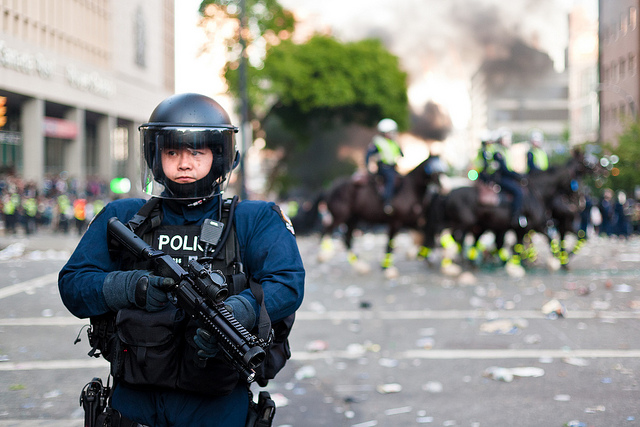
Our world out of balance: rioting in Vancouver, and for what?

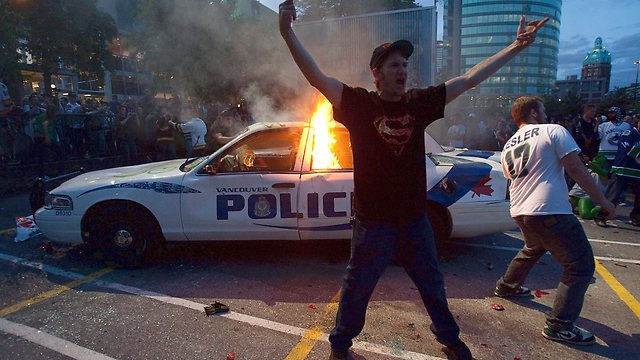
Superman? I think not. An example of the sad events in Vancouver, Canada on June 15, 2011. Photo by Jonathan Hayward AP

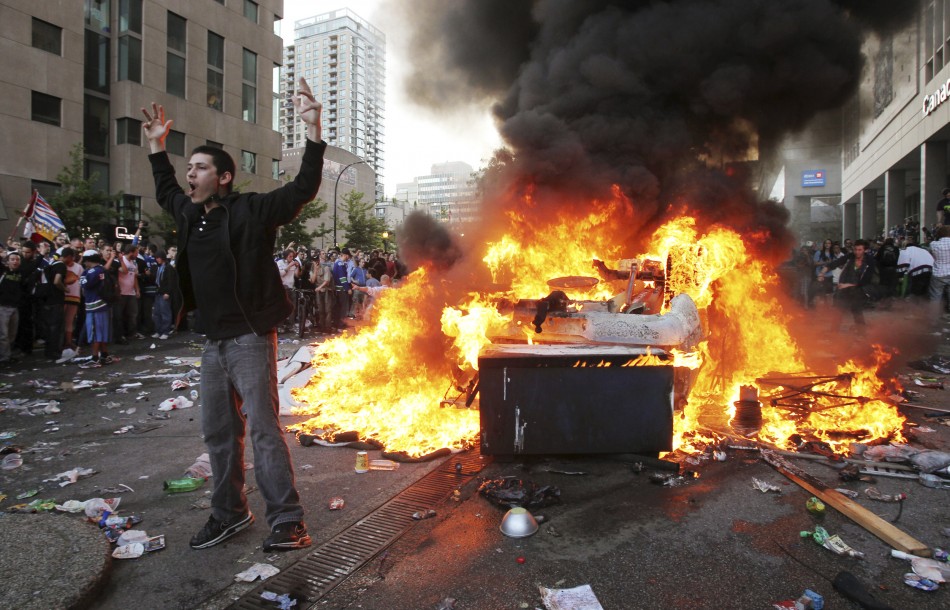
So, what is wrong with this picture? We could start with the fact that it is a depiction of the flagrant destruction of public property in the form of a police cruiser. Then, we could point out the not-so-subtle spitting in the face of the rule of law, and the authority that, although not without its own issues and problems, attempts to keep order in a society where the majority prefer safety, respect, and common courtesy over chaos, anarchy, and criminal activity. Lastly, we could point out that this is not some flash point on the global front pages showing unrest in the Middle East, North Africa, or Asia. This is my home, Vancouver, Canada.

How do we, as citizens of Vancouver, explain what happened on June 15, 2011 to the world’s most livable city, according to The Economist magazine? A little over one week ago, after the Vancouver Canucks lost the decisive seventh game in the Stanley Cup championship final – ice hockey’s Holy Grail – the city’s 100,000 strong street party turned into a riot.

The growing 100,000 strong crowd during the game. Photo © Cameron Brown / http://www.cameronbrown.ca.

The response from the citizenry was immediate. Disappointment, embarrassment, and anger were common sentiments. Fingers began pointing almost immediately as the blame was laid squarely on a small minority of hooligans, anarchists intent on trashing and burning regardless of the outcome in the game. The government, police, and even the CBC, the nation’s broadcaster and original host of the outdoor gathering, were also held partly responsible by some. And then, an unprecedented social media backlash began by exposing the perpetrators of the civil disobedience, the vandalism, and the looting through the posting of video and photographic records.  Contrary to popular belief, a belief initially voiced by the police, government, and broadcast by media, many of the culprits ended up being very average adult citizens, albeit of the young variety.

I know I must sound like my parents when I say the extent of the destruction; the wanton disregard for property, respect, and common courtesy leaves me scratching my head, and searching for answers. Sure, I was taught to obey traffic signs, be kind to strangers, and not litter. But, what is hidden deep within the human psyche that would allow a group of people, however small or large, to seemingly toss away a society’s professed values as if it were an empty drink can?

To quote David Bowie: “This is not America.” Nor is it North Africa, the Middle East, or any other political hot spot. Photo © Andrew Ferguson / http://www.goldengod.net.

The experts are already in deep discussion over so-called “mob mentality”, and the connection to an under-developed prefrontal cortex of the brain, and its inability to manage critical and rational thought, as well as action, in a “schooling” scenario. No doubt, the causes, and responsibility for the 2011 Vancouver riot will be debated for quite some time, and the feelings, for many of us, will remain raw.

I think back to the democracy protests in Tahrir Square in Cairo, to the aftermath of the Japanese earthquake and tsunami, and to the current protests in Syria and I am left with a feeling of emptiness. Personally, I feel not only embarrassment, but also shame; shame at the fact that all which transpired that night in my city, my home, was for no good, or rational purpose. Not only can it never be justified in my eyes. But, this stupid act of civil disobedience serves to cheapen the efforts of everyone around the world who really has something to protest and fight against.

In a global sense, it was an example of the privileged few rioting when given the opportunity, versus the world’s disenfranchised protesting to gain it. It was the irony of looting when having everything, versus not looting when left with nothing. Perhaps the rioters, those who were just caught up in the excitement, and those who otherwise embarked on acts of destruction that were entirely out of character, should think about that. And perhaps those same people should not only apologize to friends, family, and our city, as some have already done, but also apologize to the global community for their role in contributing to a world seemingly out of balance.

To all those Vancouver citizens who showed up the next morning to help clean up the mess, and shared your voice through written sentiments on boarded up windows, and even police cruisers ticketed with post-it notes, thank you.

To the people of the world who gather together in the hopes of bettering their lives, and the lives of their neighbours; to all those who seek freedom and true democracy; to those who yearn for equality, and who risk non-violent protest at the expense of their own safety, and perhaps life, I would like to say I am sorry for cheapening your sacrifice.

Vancouver, Canada, June 15, 2011. Photo courtesy of Reuters.

Posted in News | Tagged , , , | Leave a comment

Chiang Mai’s custodians of tradition.

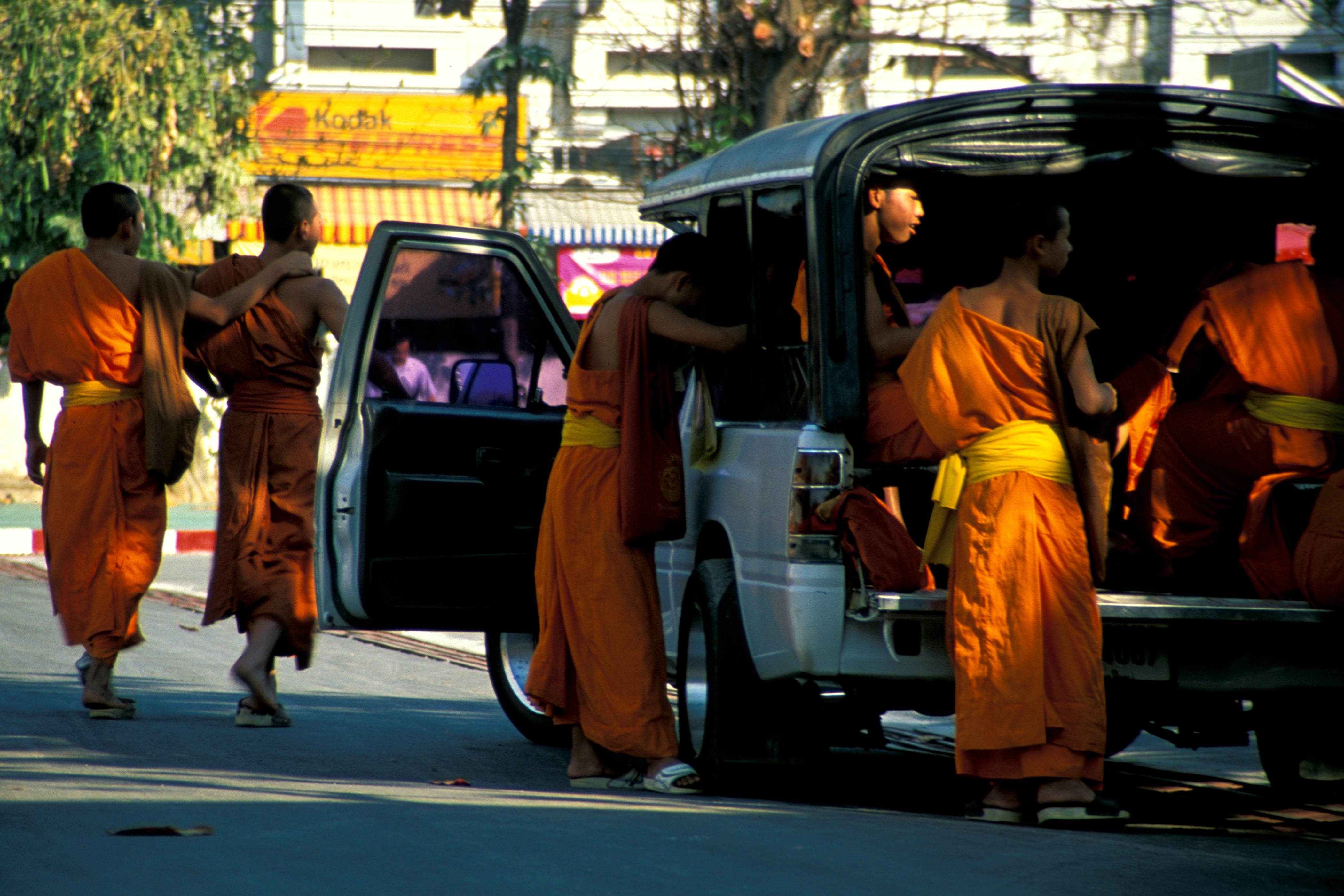
A novice monk hurries to class in Wat Phra Singh, old Chiang Mai. Photo © Mark Mauchline.

Ten years ago, I was in northern Thailand bicycling, taking in the vibe, and hanging out with a group of young artists as I escaped a portion of a Vancouver winter. My thoughts returned to that time recently, as my partner Andrea and I began promoting a photography trip to the area through Vancouver’s Langara College, highlighting a part of the world that has become very special to both of us. These were my thoughts, as I recorded them in the Buddhist year 2545 (2002 for us Gregorian calendar types):

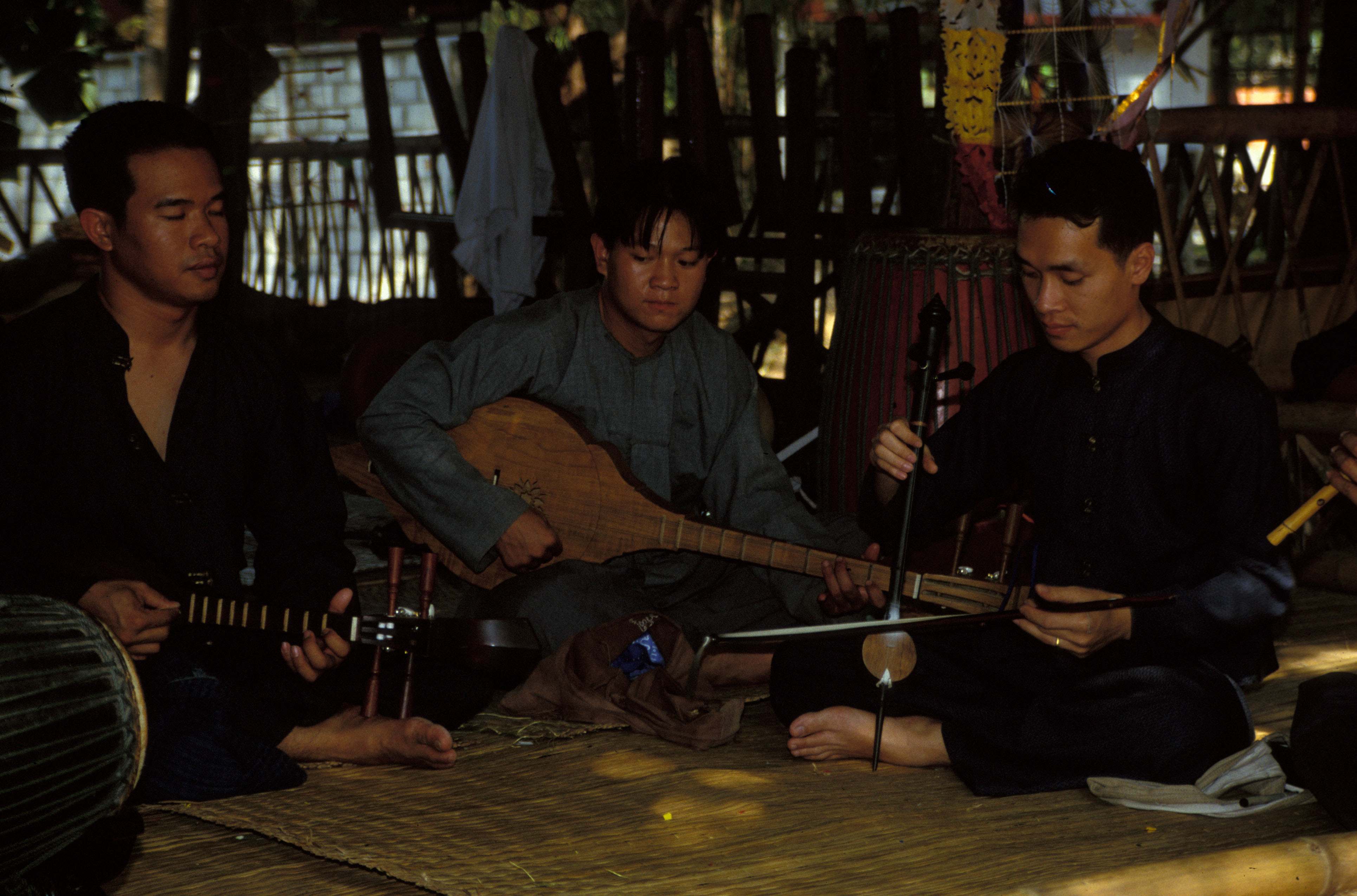
As northern Thailand’s population ages, it is becoming harder to find people who can play the traditional instruments. It is even rarer to find someone who can make them. Self-taught, and almost thirty years of age, Somboon Kawichai does both, and he and his friends represent this art form’s hopes for the future.

Somboon lives off a quiet road in the southeast corner of Chiang Mai. Like many young Thais, he lives with his parents and grandparents in the family compound, although he has built his own house. Reflecting his diverse interests, it is a Japanese style bungalow with a central vaulted ceiling. Its delicate rice paper covered wall panels are a little worse for wear, courtesy of the claws of the pet cat. A few simple woven mats, a couple of low-slung coffee tables and a traditional harp of some type sit quietly inside the perimeter alcoves. Occupying center stage and visible from every corner stands his current woodworking project. It is a tammat, or pulpit. Usually found inside Thai temples, this one is bound for the new Chiang Mai Cultural Center. Next to it, in the far corner, stand a row of traditional instruments in the Lanna, or northern Thai style.

Somboon Kawichai plays a hand-made seung. Photo © Mark Mauchline.

They are mainly suengs. Guitar-like in nature and composed of two to four strings and a one-piece, intricately carved neck and body, they are usually made from teak or jackfruit trees.

On accompaniment we have a pair of kluees, or bamboo flutes, as well as the exotic pin pia, another stringed instrument composed of two to four strings stretched the length of a round wooden shaft which is attached to one half of a hollowed out coconut. Often played bare chested, with the coconut pressed up against the musician, its resonant tones are said to come directly from the musician’s heart.

Upon further inspection, one soon realizes that Somboon Kawichai has crafted virtually everything in sight, at least everything made of wood. You see the man is something of a genius. A former trade school student in mechanics, and one time interior decorator, his home has become one of the hubs in a renaissance of traditional Lanna culture, specifically music.

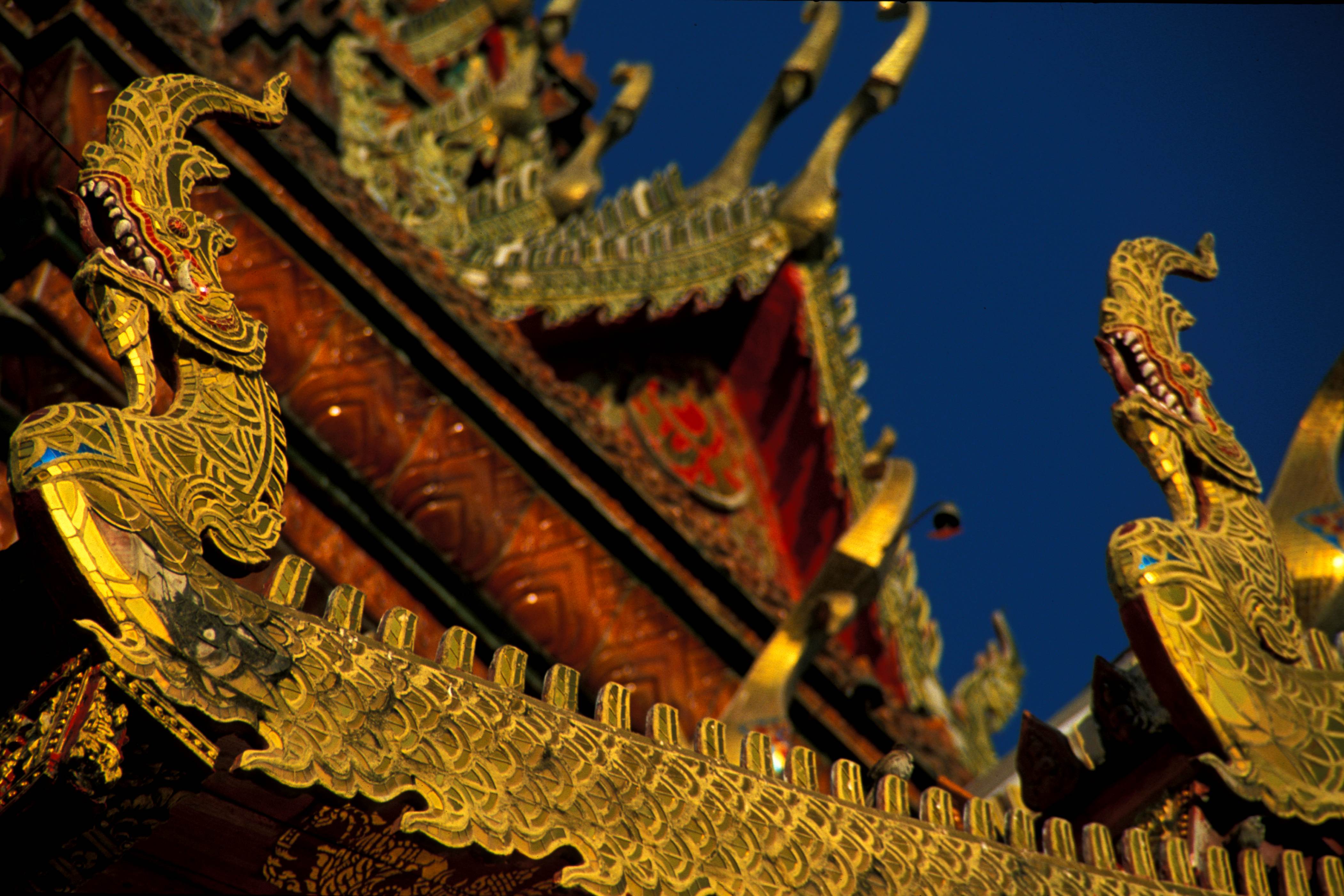
Lanna style wat detail in Chiang Mai. Photo © Mark Mauchline.

Back in the thirteenth century, when King Mengrai unified much of the north’s independent principalities into Lanna: “land of one million rice fields”, the playing of musical instruments was a right of passage for most young men. But this popularity did nothing to promote the passing on of information. Men used music to initiate a dialogue with women, and as such, the ability to play it became a jealously guarded secret.

So, with the help of an accommodating uncle, he taught himself to play, wearing out all his market bought suengs in the process. A perfectionist at heart, he wasn’t happy with the quality of the replacements, so he decided to make his own. He was fifteen years old when he started to make instruments that reached the sound, tonality and weight he sought. Then he began to sell them to other musicians, who loved them.

Early morning in the home of Lipikorn Makaew. Photo © Mark Mauchline.

In Baan Buakkhang, a little further north and east of the city, we find the raised cottage of Lipikorn Makaew. A studio filled with both his work and inspiration, it also sits on his family’s land. There is a calming feeling about the place. In one corner is the small shrine dedicated to Buddha, along with Lipikorn’s grandfather’s written village records, carefully transcribed on hand-made saa paper. His paintings, woodcuts, and gold leaf motifs are hung from the walls and supporting pillars. Interspersed amongst all this, we find evidence of this young man’s accomplishments in the form of certificates.

A recognized painter in the traditional Lanna style since he was seventeen years old, Lipikorn’s devotion to the northern culture stems from his three years spent as a monk, beginning at the age of twelve. He recalls his vision of the easy, and peaceful life of the Lanna people. Through his art, he hopes to show how faith, wisdom, peace and Thai Buddhism were passed down through important ceremonies.

The work of Lipikorn Makaew. Photo © Mark Mauchline.

It is a good thing that his studio doubles as his bedroom; he often wakes to paint at four in the morning. The rich, subdued earth tones, influenced by natural pigments like coffee and tamarind tree bark, seem perfectly suited for his brushes at this hour. It is at this peaceful time of day that he says he receives inspiration and is at his most creative.

Like his friend Somboon Kawichai, Lipikorn also plays traditional instruments. Considering his painting accomplishments, we soon recognize Lipikorn Makaew to be not just a talented artist, but also a multi-faceted one. What’s even more apparent is that both of these men possess a dedication to and versatility in Lanna art forms that belie their age.

The traditional music group Lai Muang in rehearsal. Photo © Mark Mauchline.

Then perhaps the term renaissance is a bit inaccurate. The life these young men, and many of their friends lead is not so much a re-birth, but rather a continuation of old traditions. Although under attack from what may be deemed the blight of the so-called developed world: technology, consumerism and the like, the spirit of Lanna is alive and well here.

Changing lifestyles seem to be the norm in this day and age. For their part, Somboon and Lipikorn seem comfortable with what this entails. They both feel change is inevitable and can be positive, as long as they remain true to their belief in promoting traditional culture.

They have both used the internet, with its inherent global reach, to share their art with those beyond their Northern Thailand home. And, they are hopeful that, like their use of modern technology to promote traditional art, there can be a symbiotic relationship between old and new.

School is out at Wat Phra Singh, Chiang Mai. Photo © Mark Mauchline.

Today, roughly a decade and a half after both their respective artistic births, Somboon, Lipikorn and their friends perform traditional Lanna music regularly as the group Lai Muang. After starting out by playing village rituals and ceremonies, they ended up surprising themselves, and many of the older participants who were at least fifty years old, by winning a number of Northern Thai Cultural Heritage contests in the late 1990’s.

Students attending class at the weekend Lanna Wisdom School. Photo © Mark Mauchline.

Local institutions such as the Hong Hien Suep Sarn Phoom Panya Lanna, or Lanna Wisdom School, are further promoting these traditional techniques. Chatchawan Thongdeelerd, an educator with vast experience and contacts within the local NGO network, founded the school. Under his direction, and the tutelage of instructors like Somboon and Lipikorn, students of all ages can learn traditional music, dance and painting in Chiang Mai on the weekend. Perhaps it is not surprising then, to find many of the school’s mentors and students participating in cultural festivals throughout the seven valleys that at one time made up King Mengrai’s former kingdom.

The ancient northern Thai city of Chiang Mai is still surrounded by a moat. Vestiges of its rampart-laden walls are still visible in a few places. It’s dustier and noisier now. Internet cafes, western-style restaurants, and coffee shops compete with more traditional food stalls and vendors. Pickup trucks and scooters rule the streets and narrow sois throughout much of the day. Even so, at any given time, the visitor can still see Chiang Mai’s quaint samlors, or bicycle rickshaws, jockeying for position with today’s reality. In much the same way, the music of groups like Lai Muang competes with more contemporary strains, both Thai and foreign.

Lipikorn Makaew in front of his work. Photo © Mark Mauchline.

Thailand today represents a nation steeped in tradition, trying to hold on to its past, while forging ahead towards the future. And in the north, if artists like Somboon Kawichai, and Lipikorn Makaew have their way, it will do so to the sound of music – the ethereal sounds of traditional Lanna music.

Posted in Lifestyle, Travel | Tagged , , , , , , , , , , , , , | Leave a comment

Reading the leaves after Three Cups of Tea.

The junction of three nations: the edge of the Takla Makan Desert, near the turnoff for the Mintaka Pass, provides access into northern Pakistan, and Afghanistan’s Wakhan Corridor. Xinjiang, China. Photo by Mark Mauchline.

It is a sad day indeed when our heroes fall from grace. The publishing of Greg Mortenson’s novel Three Cups of Tea provided readers with inspiration, hope and a desire for positive change; a counterweight to Bush-era foreign policy in the Middle East and Central Asia back in 2006. The book sold over 3 million copies on its way to becoming required reading for United States service personnel being deployed to Afghanistan, not the least of whom were American generals Stanley McChrystal, and David Patraeus.

Mortenson’s novel recounts a failed attempt to climb K2, the world’s second highest peak, his subsequent stumbling into the Baltistan village of Korphe after getting lost on the descent, and his promise to return and build schools after being nursed back to health by local residents. It’s a wonderful story. But, with the recent allegations by author Jon Krakauer, and CBS’ 60 Minutes, it may prove to be partly fabricated at the very least. At most, the deception may curtail the flow of donations that have included everyone from penny-saving school children to President Barak Obama, and ultimately hurt the very children of Afghanistan and Pakistan that Mortenson’s Montana-based Central Asia Institute was created to support.

On the way to fame, fortune, and philanthropic notoriety, we placed Mortenson on a shaky pedestal that has recently collapsed due to that most human of all traits, fallibility. Now, we are forced to confront the inevitable collateral damage as we try to comprehend the reasons why a New York Times bestselling author felt the need to embellish the truth. We feel betrayed as we question his decisions, and, more specifically, his foundation’s use of millions of dollars in well-meaning donations.

Life is difficult for the residents of many villages, like Korphe, in what was once known as Pakistan’s Northern Areas. Cataclysmic natural disasters like the October 8, 2005 earthquake, which wiped out entire towns and villages, and, according to the government’s numbers, resulted in 75,000 dead, provide an exclamation point to this understatement. Massive landslides occur regularly. The collision zone between the Indian and Eurasian tectonic plates results in the highest mountains on earth; their stiletto peaks defying gravity, inching skyward until the laws of physics finally kick in, sending huge portions of them back to where they began millennia ago.

In the spring of 1994 I bicycled through the village of Passu on my way to Kashgar, China. I spent a few days hiking and resting as I prepared to cross the 4730-meter Khunjerab Pass 125 kilometers down the road. One afternoon, I was invited to visit the local school by one of the village leaders.

Fields, emerald-green with the new crop of wheat and potato plants, and marked with short, stone-walled borders flanked the pathway through the village’s simple buildings. Small irrigation channels flowed with grey silted water, sparkling in the sunlight because of the mica sequins worn from the rock schist higher up. The calls of excited children followed me into the compound of the Pak-Tajik Model School.

Inside, I was greeted by the school administrator, and shown the two rooms that housed the current student body, and told of future plans for expansion. Classes had already begun when he pulled out a binder, and placed it on the lone table in front of us. He turned the pages carefully, delicately, almost with reverence, until finally stopping at a typed letter that was protected by a plastic cover. The letter was a confirmation of the plans and travel itinerary of a Canadian woman who was due to arrive the previous month, and teach English.

The expected English teacher never arrived, and there had been no further communication from her. Yet, her letter and commitment still maintained its place in the administrator’s ledger, a ledger that represented important milestones in the Pak-Tajik Model School’s young history. It embodied the hopes, and dreams of villagers who recognized the importance of an education for their children as they worked toward a better future. But, it also represented the tenuous foundation of such aspirations, as tenuous as the village’s position on a virtual flood plain with the Hunza River to the east, and the encroaching Batura and Passu glaciers threatening its existence from the west.

On January 4, 2010, a landslide blocked the Hunza River roughly 20 kilometers downstream from the 1000 residents of Passu. Even with the digging of a drainage channel by engineers, the backed up river flow has created a lake 21 kilometers long, and 300 feet deep that is now encroaching on the village. Passu may enjoy lake front property today, but tomorrow, it may be drowned. And, as frightening as that sounds, it pales in comparison to the fate of those villages downstream should the earthen dam suddenly collapse, purging the contents of the lake in a flash flood. As of today, the residents of this part of northern Pakistan continue to live with this uncertainty.

Considering all that the children in this part of the world have to contend with, it would be a shame if a cynical reaction to the failings of Greg Mortenson, no matter how justified, sealed their fate. Rather than be penalized for his lack of better judgement and actions, the children of the region deserve the benefit of the doubt. They deserve to benefit from the essence, and spirit of the man’s initial vision. But, ultimately it will be up to us, the donating public, whether or not we continue to support equality, democracy, and the end of poverty through charities like Greg Mortenson’s. Our decisions will decide how the leaves are finally read after Three Cups of Tea.

Posted in News | Tagged , , , , , , , , , , , , | Leave a comment

The greatest gift, and the point of no return.

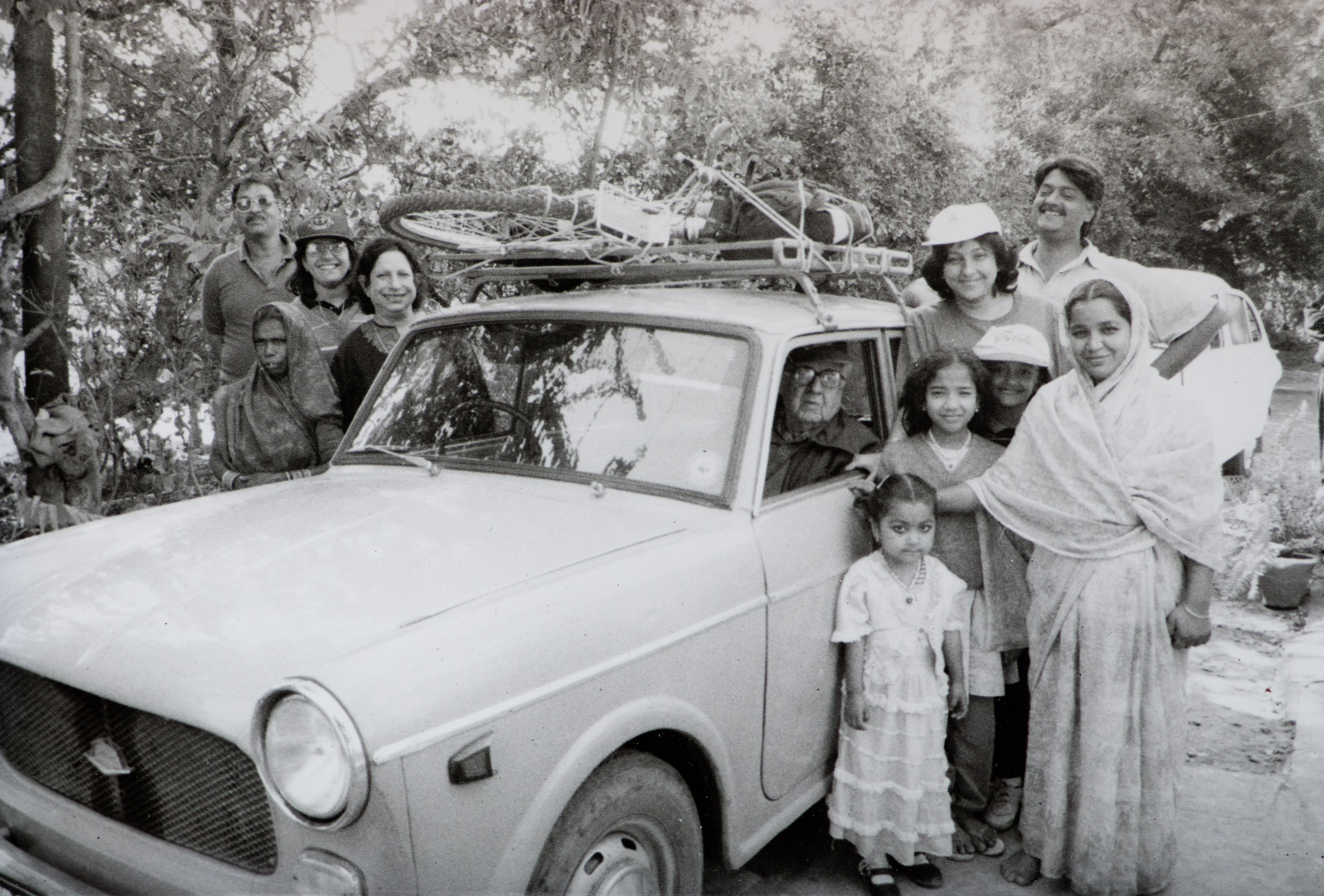
My relatives packing up for a road trip. That is my touring bike on top of the car, a full 25 years after I learned to ride a bicycle in this same Indian city. Jabalpur, India, 1997. Photo by Mark Mauchline.

The point, at which my life changed irrevocably occurred in December 1972. I was 10 years old.

My mother, in one of the many examples of her loving, and forward thinking nature, had decided the previous year that she would take my older brother, my younger sister, and I to see where both our deceased father, and she had grown up. So, in the summer of 1971, we headed to Calgary, Alberta where, with my dad-side relations in tow, we explored Banff National Park in true family fashion – while camping.

The following year, the family, without my brother who was busy working his budding entrepreneurial calling, flew to India: the often overwhelming sea of humanity that I would learn firsthand included myself, and an out-of-body experience that would serve as the single greatest defining moment in my life.

My first truly epic adventure included a virtual daylong flight via Swissair DC-8, with stops in Zurich, Cairo, and Karachi. Hijackings were making the news, and I remember watching passengers board at our itinerary’s waypoints, looking through the slits of my pretending-to-be-sleeping eyes, wondering if our plane was going to be the next big story.

Eventually landing without incident in Bombay, we made our way to Delhi. Our short visit would include the requisite tour of sites in the new, and old cities, before our pilgrimage moved on to Christmas spent with our relatives in my mother’s hometown of Jabalpur, Madhya Pradesh.

While in the capital, I remember, as if it were yesterday, staring into the bloodied, and blinded eye of a boy of about my age, whose gaze stayed riveted on me as I left the compound of the Qutub Minar, the world’s tallest brick minaret and a poignant example of India’s Islamic heritage. Later, I would come to realize that this was one of several experiences with déjà vu I would have on this trip.

I can still see the ashen face of the counter attendant in the Indian Airlines office. It was sheepish, and embarrassed as he recognized that his attempt to extort baksheesh, a bribe, from my mother for our supposedly confirmed internal flight had fallen on deaf ears. Worse yet, it was met with a demand to speak to his superior – all spoken in her until now hidden second tongue, Hindi.

Later days were spent in the geographical middle of the subcontinent, resplendent in new adventures as my sister and I inhaled the sensory overload of life in Jabalpur’s Sadar Bazaar. With our Indian aunts, uncles, and cousins, we journeyed in open Jeeps to live Kipling’s Jungle Book in Khana National Park. On elephant back, we waded through grasses taller than a man in search of tiger, all the while rocking to the motion of the pachyderm’s mahout-inspired gait, and soothed by the melody of my grandmother’s fragile voice as she recited her Catholic rosary prayers for the benefit of our communal safety.  Guided by the patient instruction of our cousins, we would learn to ride bicycles around the sweeping gravel circuit of the Commissioner’s residence circular driveway – a pursuit that would draw me back to India decades later.

It is hard for me to say if a childhood trip was in fact the first step of fate leading to an outward bound-style high school education, a vagabond’s life as an adventure travel guide, or the quest for great stories as an aspiring documentary filmmaker, one who would ultimately align himself with a group of exceptionally talented individuals and contribute to the telling of human stories that truly spoke to him.

What I do know is that I have been extremely lucky in life. I’ve been blessed with a wonderful life partner, family, friends, and countless acquaintances the world over, whose influence on me as a person, is entirely disproportionate to the short time we may have spent together. I have had my fair share of adventure, although I still crave more. I search for global news, preferring to glean local relevance from these decidedly worldly references. And, I still maintain that travel is the ultimate teacher of understanding, of empathy, and of our humanity.

But, in looking back, and with the decidedly 20/20 benefit of hindsight, one thing has become unquestioningly apparent to me. It was this six-week trip to India at the age of 10 that would prove to be the cornerstone of not only who I would become, but would continue to foster the person that I am arguably still becoming. Whether my mother recognized it at the time or not, this was the greatest gift she could have ever given me, and it became my very personal point of no return.

Postscript:

After a relatively late start, as compared to his childhood friends, the author has gone on to cycle extensively in 19 countries on five continents to date. He has subconsciously linked the notion of travel with cycle touring, dragging along anyone, and everyone willing to come along for the ride.

Posted in Lifestyle, Travel | Tagged , , , , , , , , , , , | 5 Comments

Our Democratic Responsibility.

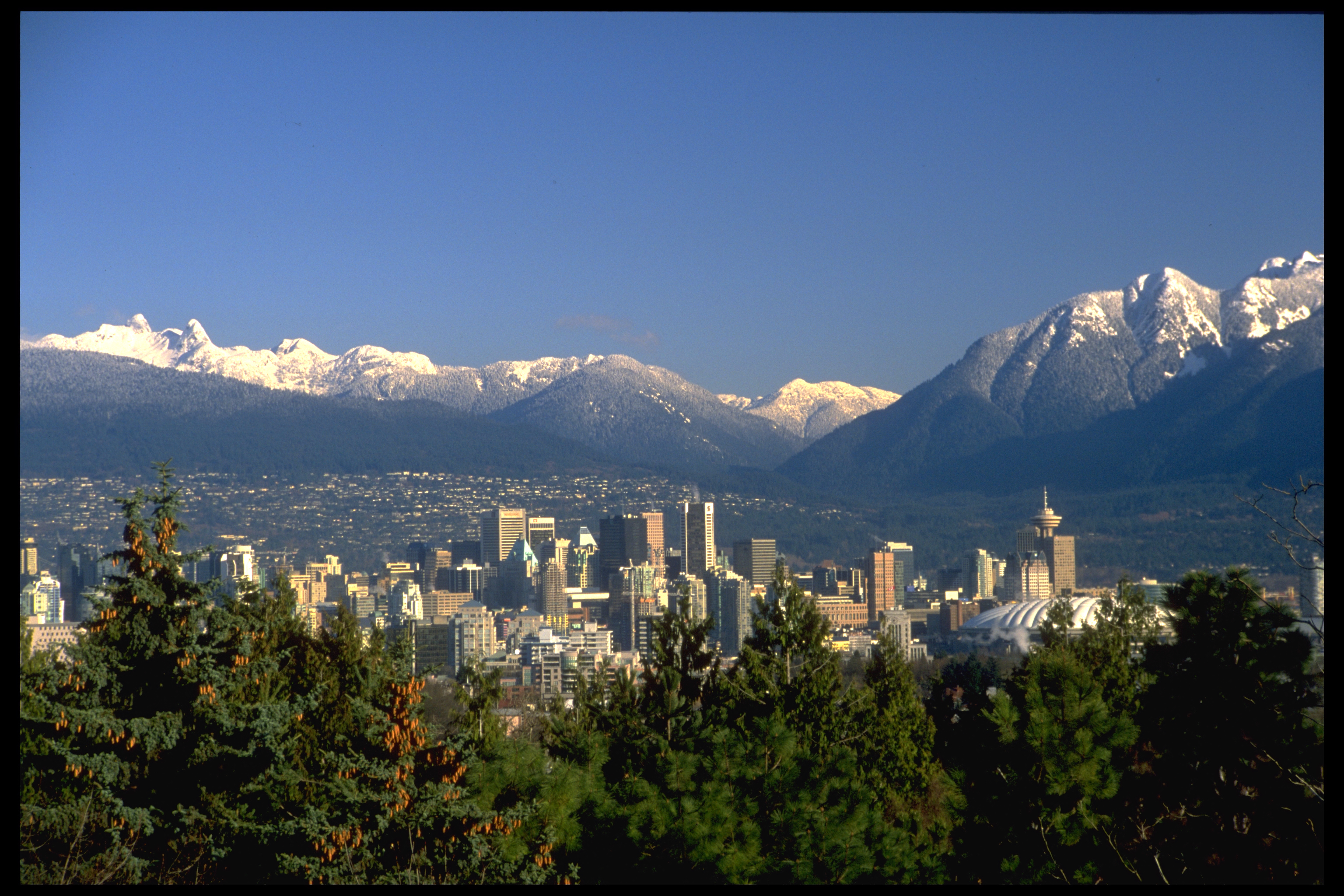
Vancouver, British Columbia, Canada. A somewhat dated photo by Mark Mauchline.

The people of North Africa and the Middle East continue to protest for their democratic rights, willing, and often paying for that decision with their very lives. Yet, in my seemingly stable, and decidedly more democratic world of Canadian society, the onset of the fourth federal election in seven years has people rolling their eyes, and exhaling with a frustration that signals the seeming futility of it all, and undoubtedly helped contribute to the lowest voter turnout in Canadian history the last time around, 58.8% in October, 2008.

Is this right? I know it is perhaps understandable given the choices on our political stage, the adoption of U.S. style attack ad campaigns that barrage an unsuspecting population even before the call-for-an-election writ is sealed, and campaigns that are conspicuous for no other reason than their lack of visionary platforms. For the most part, we, the electorate, are left with leaders who are more inclined to tell us what their adversaries are doing wrong, rather than what they plan to do right. We are presented with often contrived hypotheticals to fear, as opposed to the inspiration of progressive vision.

Yes, voter reaction is understandable. But, is it right? Around the world, people are dying for the right to something we are increasingly apt to brush aside, as if it were a nuisance. Where is our collective sense of social responsibility? Everyone’s life is becoming increasingly busy these days, and we all have responsibilities of some magnitude to manage in a finite amount of time. But, everyone manages to prioritize his or her life to some extent.

Maybe the question should be rephrased? What priority do we place on our democratic privilege? I would hope that it is greater than the 58.8% rating shown in 2008. 58.8% would amount to, at best, a D grade in much of our nation, and, at worst, an F – a failing grade. Neither is acceptable.

Our democracy should not be a right that we choose to opt out of, at our convenience, with little or no thought. Wading through the endless sea of issues, non-issues, and spin doctrine is not an easy task. It requires time, and effort, the same type of effort that leads some who seek it, to be willing to pay the ultimate price.

Surely, if we want to acknowledge the efforts of our fellow global citizens in their fight for democratic rights, and do justice to their admirable cause, and more importantly, their sacrifice, the very least we can do is treat our democracy as a responsibility. Somehow, our cost in fighting apathy seems incredibly cheap by comparison.

Posted in Lifestyle, News | Tagged , , , , | 1 Comment

The Face of Gaman.

The epitome of order and restraint. Tokyo residents await their turn at a free public land line after the March 11, 2011 9.0 magnitude earthquake . Photo © Tokyobling.

Gaman is a Japanese term roughly referring to forbearance, and is often translated as the easier to comprehend perseverance. It is a trait that has allowed the people of Japan to survive, and come to grips with the death and destruction of war, the unimaginable fallout resulting from two atomic bombs, foundation-shaking economic meltdowns, and numerous natural disasters. But, nobody in this island nation could have predicted the perfect storm of almost unimaginable, cascading events that rained down on them at 2:46 pm on Friday March 11, 2011.

If there was ever a scenario to corroborate the notion that life is not fair, the people of Japan’s northeast prefectures are living it right now. In the aftermath of a massive earthquake, an indiscriminate, hugely destructive tsunami, and the continuing, all-pervasive threat of nuclear disaster, the most prepared nation on earth, our gold standard, is struggling to keep its feet.

Currently, with almost 4,000 people confirmed dead, up to 8,000 reported missing, and 500,000 living in temporary shelters, the region is truly reeling. Based on media images, these numbers seem conservative, if that is possible. Add to this the worrying, and possibly worsening situation at the Fukushima Daiichi nuclear plant, and the most recent earth quakes off the east coast, which caused buildings to sway in Tokyo, and you have the greatest test of Japanese resilience since the Second World War. And, if all of this were not enough, temperatures have dropped, and it has started to snow.

I am numb as I try to comprehend what survivors are going through, trying to pick up the pieces of their shattered lives. I find myself staring at the images before me, looking for something in the photos that will provide some perspective, and with it, some hope. Perhaps, this is the same hope that drives rescue teams to search the endless fields of debris that were once seaside towns, and villages.

I read about the calm, polite demeanor of people standing in line for water, or food from rapidly depleting, if not already empty shelves. No doubt, shock is still a factor for many. But, in the wasteland that was once the lives of thousands, there is no looting, no robberies. Seemingly, there is only the compassion of an overwhelmed community on view; a community that is already taking on the task of looking after those in the greatest need.

In trying to understand a bit about Japanese culture, I am left thinking it is a model of restraint, manifesting itself in everything from the grammar that constructs the language – the subject of a sentence often goes unnamed and must be deduced from context – to social norms where giri, or duty, trumps ninjo, human feeling, every time. It is a society where the needs of individuals give way to the collective good of the whole.

Japan’s late Emperor Hirohito is said to have described gaman as bearing the unbearable. Today, as the media continues to shower us with catastrophic scenes of overwhelming destruction, I sit transfixed by the images of people; people who stand patiently, stoically, and dutifully, in what I can only imagine to be a hell on earth. I look at the faces, particularly those of the elderly, and am filled with an admiration for their strength, and resoluteness, while at the same time, my heart breaks, and I weep in the face of the quiet dignity that is their gaman.

Posted in News | Tagged , , , , , , , , , | 5 Comments

“Yes We Can” can become “Yes We Have”.

Mother and daughter sort the night's catch, Colva Beach, Goa, India. Photo by Mark Mauchline.

The news that India is on the verge of eradicating polio is just the type of inspiration we need more of in this age of information overload. We seem to live in a time where even the most well-intentioned of us reach a point of saturation, succumbing to the effects of boredom, and malaise as a result of the repetition of similar stories in the main stream media, no matter how important, and worthy of our attention they may be.

Today, living in Vancouver, Canada, I am so far removed from the scourge of the viral disease poliomyelitis, which reached epidemic proportions during the hundred years spanning the mid 19th to 20th century, targeting children, pregnant women and the elderly, resulting in sickness, paralysis, and death. Thanks to massive immunization campaigns, polio has been effectively eliminated in many countries, and is beating a hasty retreat in the areas that represent its last footholds, including India.

But, polio continues to linger, and this is where I believe the true test of our humanitarian mettle occurs. No doubt, there is much good going on around us, and because of us. It is a tribute to people, aid agencies, and governments everywhere that they support the global community’s fight to save lives, combating diseases that are preventable, as these same diseases continue to prey upon the poor and less fortunate in society.  But, these efforts seem to have a shelf life, and are not easily sustained in both the amount of direct action, and the requisite financial investment once they fall from the headlines. How are we expected to keep our focus, even as our thoughts and minds grow numb from information fallout? Do we not have a personal responsibility to insist that our governments not lose sight of the desired end result, and continue to fund these efforts until the battle is well, and truly finished?

We respond to catastrophic natural disasters such as the Asian tsunami, or earthquakes like those in Northern Pakistan, Haiti, and New Zealand with an urgency based not only on the perceived need, but on a shared humanitarian vision. Our compassion and empathy is truly amazing, even as we are told by some that our interest, and with it our desire, will naturally ebb and recede as sure as an ocean tide. In all too many instances, this proves to be the case.

My mother was born in India, just before the end of the era known as the British Raj. It was the time of Nehru, Jinna, and Gandhi: a time of great upheaval, contrasts, and strife. Gandhi’s peaceful resistance movement grew alongside the desire for a separate Pakistan. Although independence from their British colonial master was achieved, it resulted in partition, one of the largest forced migrations in human history, and an equally large and unfortunate loss of human life due to sectarian violence, which culminated in Gandhi’s own assassination in 1948.

Despite all that went on, I cannot help but think it must have also represented the culmination of the hopes and dreams of millions people on the subcontinent. These same hopes and dreams have inspired, and continue to feed a grass-roots campaign within India to stamp out polio. I picture yellow-vested volunteers, over two million of them with their oral vaccines, wading through the currents of India’s one billion plus sea of humanity, positioned at the hubs of the gyre: on trains, in train stations, and at major urban intersections.

I also picture these same volunteer vaccinators laboriously transporting their temperature sensitive cargo in simple, but cumbersome, ice chests. They trudge or paddle to reach the seasonally exposed, richly silted islands in the middle of rivers; the temporary land that represents the hopes, dreams, and reality of some of the poorest elements of Indian society; the temporary terra firma panacea that is as tenuous as these people’s very existence.

All this is done in order to deliver polio virus vaccine one drop at a time, to one infant at a time, to millions of children. These are the same children whose lot in life differs from my own by nothing more than shear, blind luck. Nothing more than luck led to my mother’s leaving India, immigrating to Canada, and giving life to myself and my siblings in a country where inoculations for diseases like polio are routine.

My hope is that our media will continue to report on our successes, support stories that inspire, and promote our joined humanity by looking beyond the headlines. I am not suggesting we lose sight of our reality by choosing to look through only rose-coloured glasses. I am suggesting that one way we can continue to affect change for the betterment of our collective world is a more in-depth look into the lives, challenges, and yes, the successes of our not-so-perfect species. Perhaps even more importantly, it can help us sustain the necessary momentum, and urgency so that the cry of “yes we can”,will be replaced by “yes we have.”

Thank you to Stephanie Nolen, the South Asia correspondent for Canada’s Globe and Mail newspaper, for her brilliant, inspiring, and organically urgent piece entitled “India on the front lines to eradicate polio”.

My regular accompaniment while bicycling down India's west coast in 1996: the children. Somewhere near the Maharashtra / Goa border. Photo by Mark Mauchline.

Posted in News | Tagged , , , , , , | 2 Comments

The Human Spirit

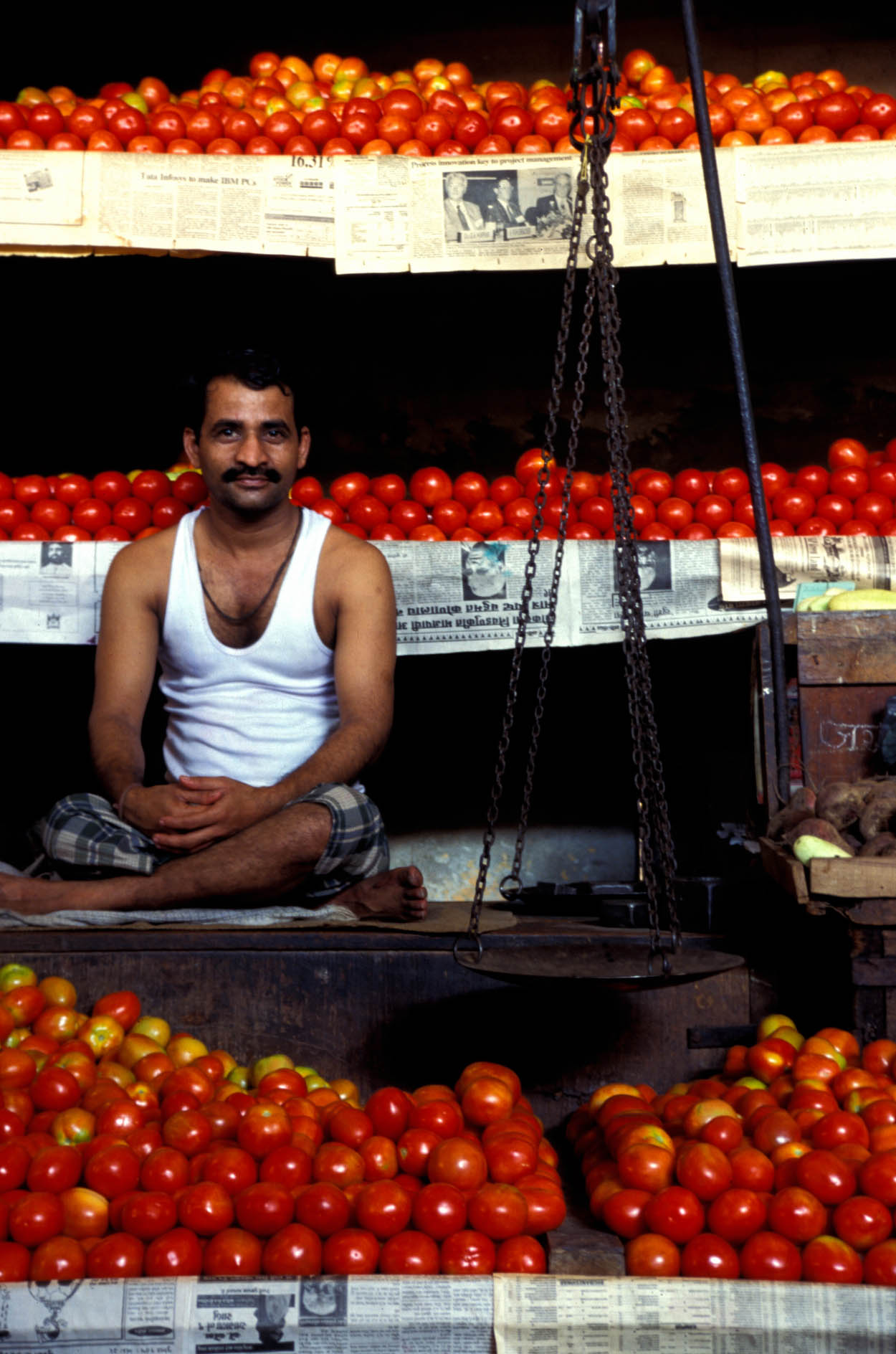
Tomato vendor in the old Crawford Market, Mumbai, India. Photo by Mark Mauchline.

Today, the balancing act that is life, highlighted by poignant examples of the strength, and resilience of the human spirit, is happening on opposite ends of our earth.

The people of North Africa and the Middle East continue to mass, and protest for basic democratic reforms that I take for granted. Beginning with the action of Tunisian fruit vendor Mohamed Bouazizi setting himself alight in early January, the domino effect of popular protest movements has taken down entrenched regimes in both Tunisia and Egypt, and currently has another multi-decade old despot in Libya hanging from the precipice. All of North Africa from Morocco to Sudan have felt the tremors, and governments from Lebanon, Syria and Jordan, all the way to Gulf states like Bahrain, Yemen and Oman are having to deal with the aftershocks fomented by their own people. Today, hundreds of thousands of protesters are reported to be in the streets of Yemen alone.

These people are fighting against worsening economic conditions, corruption and political repression. A half world away, the people of Christchurch New Zealand, beneficiaries of a democratic system designed to protect its people from all of the above, observed two minutes of silence for those killed in a devastating earthquake at 12:51 p.m. local time, exactly one week ago. Jack hammers and rescue efforts ceased for the first time in seven days, traffic came to a halt, residents emptied into the streets, joined together while pondering the ground and the sky, as church bells rang, and for all intents and purposes Christchurch came to a standstill.

The little island nation of New Zealand has always impressed me. “Aotearoa”, the land of the long white cloud, as it is referred to by the Maori indigenous people, continues to punch above its weight class with regards to managing its affairs in a progressive and democratic manner. New Zealand isn’t perfect. But, this isolated island nation with a population less than the Greater Toronto Area, has always managed to keep its domestic house in order, whether it be social programs, indigenous people’s issues, or the environment. New Zealanders’ energy and joie de vivre is not only epitomized in their physical pursuits, because, after all, this is the home of Sir Edmund Hillary, incredible multi-day hikes, ocean paddles, and the out-of-body experience of bungy jumping. But, it is the nation of taking things one step further, of seeing how many physical activities they can string together to quench a constantly increasing thirst for challenge. New Zealand is the birthplace of epic multi-sport adventure races such as the Southern Traverse, and the Speight’s Coast to Coast.

On February 22, 2011, the physical embodiment of  their democracy came crashing down around the 350,000 residents of Christchurch,  leaving hundreds dead and leveling, or severely damaging many of the city centre’s most recognizable buildings, including the iconic Christchurch Cathedral. According to engineers, roughly one-third of all the buildings in central Christchurch will need to be demolished.

I think about my Kiwi friends, former work colleagues, as well as individuals I’ve met in far-flung corners of the world. I think of the Blenheim-based, rudy-hued river guide Peter Bruce, a.k.a. Wild Wally, the young Christchurch couple whom I shared a game of Yahtzee with in the spartan Mountain Refuge Hotel in Sust, Northern Pakistan, and the wandering, hotel-working couple my life-partner Andrea and I met in a wind-swept campground while bicycle touring on the outskirts of Spain’s Cabo de Gata – Nijar Natural Park.

Christchurch will rebuild. I am sure of that. I am also confident that the fight for basic human rights in all parts of the world will succeed. It may not all happen in my lifetime. But, it will succeed because, despite all our failings, our greatest resource and attribute is the thing that authoritarian regimes and natural disasters cannot take away, the strength and resilience of our human spirit.

Posted in News | Tagged , , , , , , | 104 Comments